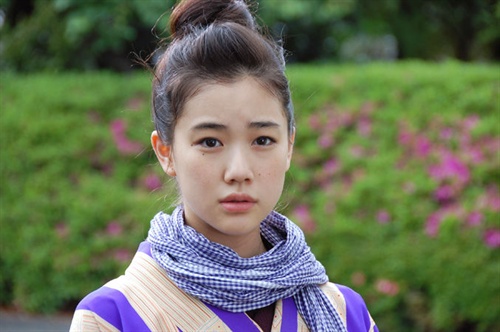
上兩星期心血來潮把好多年前買下的《料理仙姬》拿來看,竟然一發不可收拾。(我知我係慢了 n 拍,但我一向這樣。這個 boxset 已經完全記不起是甚麼時候買下,但當然是為蒼井優買的,搬來澳洲時也隨身帶了過來,只是遲到今天才看。) 明明其實沒有時間做一些與工作沒有直接關係的事,但現在「公事」之間都一定忍不住放一集。製作雖然馬馬虎虎,但只要有蒼井優在螢幕前行行企企,或者做些荒謬的事例如閑來花幾百萬買件古董放在庭院沐浴天地正氣,其他的都不需要太挑剔了。劇本以通俗方式痛罵消費主義和即食文化,歌頌老店人情味,不講求效率、不講求效益,同你講心(我幾乎覺得這是通俗版《一代宗師》),令我覺得就算跟西人牛頭不搭馬嘴其實都不是甚麼難過的事(去你的 marketing !)。最近心情實在好多了,很多瑣事開似不放在心上,第一次感受到治癒係的力量!
Saturday, July 20, 2013
治癒系
Sunday, July 14, 2013
塔可夫斯基論藝
為甚麼有些影評讀著就是很 dry ...
"Works of criticism tend to approach their subject in order to illustrate a particular idea, far less often, unfortunately, do they start off from the direct, living, emotional impact of the work in question. For an unclouded perception you have to have an outstanding capacity for original, independent, 'innocent' judgement. Generally people look for familiar examples and prototypes for confirmation of their opinion, and a work of art is assessed in relation to, or by analogy with, their private aspirations or personal position. On the other hand, of course, in the multiplicity of judgements passed upon it, the work of art in its turn takes on a kind of inconstant and many-faceted life of its own, its existence enhanced and widened. "
Andrei Tarkovsky, Sculpting in Time
Sunday, April 28, 2013
《毒戰》中港關係
《毒戰》影射中港關係,真是太明顯了啊。古天樂就是典型香港人的寫照:有小聰明、機會主義、見風駛𢃇(好聽的說法是靈活),隨時根據現場變化轉軚;致命傷是,他到死都以為自己有籌碼跟國內權力集團討價還價,以自己眼光看周圍的形勢,卻不知已一早已不打算給他生路。結尾其實很悲涼,但又不禁覺得他抵死。
不過問題是,就算他聽話,結果又會不同嗎?
片中也有好些令人忍俊不感的地方,聾啞兩兄弟為拜祭阿嫂燒真銀紙,張張百元大鈔;畫面 cut 至老老實實的公安籌集現金回程,各人紛紛拿出小額鈔票。
《毒戰》作為合拍片,當然嚴守規律,片中的國內公安一律形像正面--而且當然怎都比你香港人更進一步,罪犯不乏內地人,但萬惡都在古天樂這個在國內製毒賣毒,而且毫無情義的香港人身上。這還不夠,型慣的古天樂還要全程爛面,光榮都歸孫紅雷。但是我認為,《毒戰》刻劃的中、港對比頗為靈活,沒有局限於國內人代表國內人,港人代表港人,而是點綴令(港)人意會的細節,誰代表誰不言而喻,上述燒銀紙一幕,只有小鈔的公安,不也可以看成是在同胞面前倍感寒酸的港人?影片後段,古天樂引薦孫紅雷會見國內大鱷 Bill 叔,殊不知 Bill 叔 只是個傀儡,後面有七個香港人(都是熟口熟面的「銀河映像」角色)指手劃腳,完全操控他的行動--雖然中、港身份逆轉,任何香港人都應該馬上聯想到我們的(歷任)行政長官;及後孫紅雷干擾對講機電波, Bill 叔收不到指示當堂成了廢人,被香港老闆鬧到七彩,可算是明知無法改變現狀的香港人,借幽默出一點怨氣。
題外話,《毒戰》雖由數一數二的澳洲發行商 madman 發行,但在 Brisbane 只有 limited release ,獨在華人區一家電影院放映,該影院遠離市區,身為華人的我也只去過兩次(另一次是本地中國電影節的開幕禮);當然也沒有影評人招待場,完全無心打進西人觀眾市場;若不是我跟發行商談話問起,也根本不會知道本片正上畫。對此,我簡直無話可說。 What does it say about this city ?
Thursday, February 07, 2013
不是招,是意
對我來說,《一代宗師》說的不是某一個人之為一代宗師,而是「一代宗師」之道。所謂道,既指道路,也指為人之道(就如 Swann's Way 之 Way),此外還有一種更抽像的「道」,是道可道非常道,不能再用其他文字言說,只能回歸到「道」。因此,電影中所有人都是一代宗師(的某一面),卻又誰也不是一代宗師。「道」是非常哲理的一回事,也是非常浪漫的一回事,王家衛拍出了哲理,同時也浪漫得不得了。
今日與友人網上討論《一代宗師》,激發我對這部電影之敘事的一點新看法。
電影交待人物、情節,簡到不能再簡(據說王家衛為柏林版再剪掉15分鐘),但我馬上完全投入影片的境界(明顯不止是我,大部份喜歡電影的觀眾應有同感;至於不喜歡的觀眾,不在本文討論範圍)。我以為,王家衛有意識地利用了觀眾對武俠小說/電影、江湖的熟悉與想像,也就是借用了所有類型小說及電影的互文性,輕而易舉不著一墨,將觀眾帶入最豐富的世界。(這是不是也像武術中的借力打力?)
武、俠、江湖之概念,在中國人社會家傳互曉,武俠小說及電影,是通俗文化--小說、電影、電視劇、電腦遊戲中極(最?)主要的類型,即使有中國人生平從不直接染指上述任何一項,也不可能不熟知一點江湖中(不論那是金庸的江湖,還是黃飛鴻的江胡)的腥風血雨,未了恩仇。
進一步說,王拍的也不是角色,是原型(或典型);不是故事,是最基本的骨幹。而他明白,剪出最簡的骨幹,正等同於表達了最豐富的故事、最深刻的內涵。
影片不說故事,是因為根本不需要。我們都會自覺甚自不自覺為這些角色、他們的關係,江湖中的叛變、恩仇、惺惺相惜,補上我們心願的細節。這當然比一筆一劃(一橫一直?),實實在在的情節更好看,也提供了無限的可能性。而這種簡化,這種去掉肉,只有骨的拍法,是對武俠類型的反思,也是對類型的再開發(不止是顛覆,更有開發)。
情節其實都拍了,只是不用--人說王家衛沒有故事、或拍攝時根本不知道自己要拍甚麼,是人云亦云的得啖笑(urban legend),他當然知道自己在拍甚麼。
宮二說:「我是經小看著我父親跟人交手長大的,在我爹身上,我看到的不是招,是意。」這是我最喜歡的對白:明明是王家衛自況,他拍的也不是招,是意啊!
明日有電影節 brainstorming 例會,一點準備也沒有,反而 brianstorm 了這些。死梗。
Tuesday, February 05, 2013
夢裡踏雪幾回
我說《一代宗師》是一部很個人的電影;看的時候想像自己的處境,又把它看得再個人一點。朋友打趣問我是不是也有「葉底藏花一度,夢裡踏雪幾回」的人。
這個先不答。中國的詩詞實在是好,明明是這麼意淫的概念,可以說得含蓄、典雅、迂迴,而且意淫不意淫,也是任讀者發揮,字面的意思,也一樣優美。我跟 Tim 說過中國的古典文學,還有一種格律之美,英文不會翻得來。他說英文字幕也很美,我看電影時沒有留意,再看的話再看看。
要說王家衛電影的影像美,也恰如這十二個字。我看來本片處處都是 eroticism --他已經去到一個層次,就是不需拍男女、情事,就是拍比武、過招,也可以拍出一種情慾感。例如說,影片開場的武打戲,他是把武打過程拆完全拆解(break down),再重組,重組時又通過武者不同的感官出發,似立體派畫人像、又似詩人寫詩:不同方向使來的拳腳、雨的聲音、光與影之明暗、武者一瞬間看見的人臉。功夫招式「好不好看」,「設計好不好」,是低一點層次的事。用心看,所以有感覺。
Thursday, December 27, 2012
神劇之神
我不是電視劇或電視 series 迷,看得不多(我的天,時間雖然是要來浪費的,也應該浪費在能令你有快感的東西上),更從來不寫。但半被逼看了三季 Breaking Bad (應該還要看下去),尤其昨晚看到一超白痴 narrative device ,實在不吐不快。
Breaking Bad 在豆瓣上有「神劇」一譽,在美國接連獲獎,在本地(澳洲)的評價也很好,我身邊有很多狂迷--而且都是有點頭腦的人,製作人(監製、編導) Vince Gilligan 是現今正得到 "godlike worship" 的 "TV auteur" 之一(見 The New Yorker 十一月號,Emily Nussbaum "Queer Eyes, Full Heart" )(我的天,我心中只有一個 TV auteur : Ricky Gervais )。
但對不起,就算純粹從觀眾的角度,我也看不出此劇何「神」之有。
就從那個超白痴 narrative device 說起。第三季第五集,劇情忽然閃回到第一季,交待 Jesse 與 Walter White 正式拍檔之前,買 RV 的細節。看過的人都知道,明顯是編劇需要一個細節發展新劇情(或拖長劇季),但之前沒埋伏筆,於是隨心所欲閃回到舊劇加料。這也太爛了吧???這樣編劇也就同亂編無分別,既然可以亂編,也就甚麼都可以發生,當甚麼都可以發生,也就不可能有絲毫趣味,因為不會再有真正的「意外」。當然一般電視劇觀眾大概不覺得有問題:只要一直有得看就可以了,請按時繼續供給我肉緊(劇中甚至沒有多少緊張刺激)。
至第三季為止,沒有一個人物是我關心的(且慢--此劇真的有人物嗎?讓我們看看......),也沒有任何一個人物的任何一個決定、行為、動機是 make sense 的。不 make sense 不是因為超乎常理(超乎常理幾乎是任可 narrative art 的主要吸引之處),而是因為這些決定、行為、動機完全沒有心理背景,幾乎是完全 random 的。
也就是說,此劇是 plot driven 不是 character driven 。我相信大部份一般觀眾都認為他們對劇中人物有點認識,啊他本來是中學物理教師,他是他從前的學生,她是他的妻子,點點點,但除此之外呢?這些人物完全,是完全,沒有性格可言,這些人物做任何事的出發點,都只是為了劇情繼續發展。這些人物,根本不是人物。
說是 plot driven 是嚴重抬舉它。講到劇情,我的天(我知道這是我第三次使用這個 expression 了),我真是不覺得扭橋扭得很厲害,我甚至很少覺得意外,大部份時間我都知道接下來發生甚麼事。不是我聰明--剛剛相反,而是編劇不停丟下大量漏洞,令人物做一些很愚蠢很不 sensible 的事,驚死你無得戥佢肉緊,因此你知道接下來一定有某某問題。
拿拿拿,我可能自打嘴巴了。上述也許就是此劇「神」的地方:要吸引電視劇觀眾,得罪講句,亦即不大願意用腦的觀眾,劇情不可已寫得太深太複雜,而且令他們肉緊之餘適當時候必須滿足一下他們「估到下一步」的快感,這是基本的 conditioning ,這才能保證收視呀:
"The popular novel cannot be complex, not even in the invention of plot." - Umberto Eco
此劇還有很多乞我憎的地方,例如第二季,每集在片頭「製造懸念」,交待 Walter White 家中一件慘劇的不同片段,真相在最後一集才成形,我未看到最後已經覺得好無x聊,而那*所謂*真相,無稽之餘, random 到是甚麼也可以,而且與主要劇情毫無關係,對劇情發展百份百無影響,某些(或大部份?)觀眾會覺有恍然大悟之感,但讓我告訴你,這恍然大悟完全 pointless 的(要是 Walter 或其中一個主要人物死左再翻生,我就話你好野嘞)
人生苦短,浪費在這種垃圾劇集上已經夠悲哀了,還要浪費更多時間來數落,我都真係太唔化。附上另一段艾柯( Umberto Eco )談 feuilleton (報刊連載小說)的話作結:
Tuesday, October 30, 2012
Jean-Louis Trintignant
姑且先不談暮年的他,因為 Amour 還未看,對上一部看的他是十多年前奇斯洛夫斯基(Kieslowski)的《紅》了,一個憤世嫉俗緊繃著臉的法官......記憶不太靠得住。
年輕的他啊,從前看伊力盧馬(Eric Rohmer)《慕德家的一夜》(My Night at Maud's)已經驚為天人,端莊的知識份子不作他人想,《同流者》(The Conformist)裡貫徹那冷若冰霜的形像,但在體面中散發一種性感。
布里斯班國際電影節今年辦 Spaghetti Westerns 回顧展,來自意大利的客席策劃 Giulia d'agnolo 強調 Sergio Corbucci(原版 Django 的導演)的 The Great Silence 不可或缺,我千山萬水從德國找來一個新印拷貝。Trintignant 主演本片有一條件,就是不要唸任何(意大利文)對白,因此--他是 Silence !(潛台詞是不是對這類型的不屑?他拍過好些其他意大利片,完全可以照講法文,反正影片上映時都會配上其他語言--大部份 Spaghetti Westerns 在北美上映時都配上英文,我找到的這個版本是德文配音。)
The Great Silence 不看由自可,一看便迷戀了他。因為,怎麼可能在粗擴、比較俗氣的西部片裡,出現一個文質彬彬,又憂鬱又優雅又敏感的英雄?他仍然似之前般有點冷,但眼神那麼溫柔,像個孩子,一點殺氣都沒有,儼如是泥中之蓮。並且他是個啞巴,哀愁無法言傳,全收在眼底,是《悲情城市》梁朝偉的先驅......這簡直是 anti-Western ;Silence - Trintignant 是所有西部片英雄的 antithesis (Tim 不同意,說所有西部片及西部片英雄都是這樣的,並說本片根本就是奇連伊士活片子的倒模,我同意倒模說,因為所有西部片幾乎都是三數條公式,不過認為本片也有刻意求 camp 甚至戲謔類型片的場面;但我不信英雄都似 Trintignant,我看的西部片不多,願乞指正)。
Sunday, October 21, 2012
《聖殤》之惡
金基德抑鬱症後捲土重來的新作《聖殤》(Pieta),奪威尼斯電影節最佳電影金獅獎--簡直不可思議(不過反正對獎項越來越冷感)。《聖殤》是少數我看得極度反感的電影,它是惡魔、怪胎、受魔鬼詛咒的人的嬰孩--Rosemary's Baby 大概是這個樣子。
不要誤會,再變態的電影我都看過,以上評語並不是基於男主角徹底冷血,而是電影的態度。假如《聖殤》重頭到尾只說這男人有多冷血,或許反而不那麼醜陋。片中無厘頭的殘忍、救贖、覺醒,與贖罪,完全沒有說服力,也無有感情,空洞虛偽到極點(所謂母親救贖兒子,很是借體發揮,與藝術史上聖殤像的真正涵意風馬牛不相及)。我猜想金可能有意排除所有動機與心理描寫,拍一個荒謬的故事。但請告訴我,這樣的荒謬有甚麼意義?它是寓言嗎?它是隱喻嗎?它有宗教意識嗎?
有西方影評說《聖殤》反映韓國經濟衰退,金錢或資本主義之萬惡(金本人也在訪問中談及),真是得啖笑:刻劃大耳窿為惡、窮人「走投無路」明知無力虧還也去借錢,就叫做批判資本主義,會不會比北韓的宣傳電影還要膚淺?說到刻劃韓國經濟衰退對社會的影響,去年金重炫的《鲠骨人生》(Choked)就比《聖殤》立體複雜得多。
我喜歡金基德好些舊作講的佛性、因緣,特別是《春夏秋冬...》、《弓》(雖然不喜歡女主角)及令他幾乎發瘋的《夢》(《夢》的構思魔幻迷離,令人想到波赫士 Borges 的小說, Christopher Nolan 之流,想三生三世也想不出來)。《夢》結尾一場自殺戲,女主角幾乎當場死亡,金大受打擊,同時被同業出賣、遺棄,乃在深山避世數年,過苦行生活,拍下天問式的《亞里朗》(Arirang),我想來想去說不上喜歡或討厭,但至少其中有血有肉,是一個靈魂的哀歌。金從前的電影總有憐憫之心,主人公再惡,不過是執迷之人,為貪嗔痴所困。但《聖殤》完全缺乏這樣的人道立場。我憐憫不起來,只有一份冷感。
Saturday, March 10, 2012
寫實的詩意,詩意的寫實──「阿培三部曲」
薩耶哲.雷( Satyajit Ray )的「阿培三部曲」完成於1955、56及59年,其不加修飾的寫實影像,對生命無常的思考與詠嘆,早已成為影史經典。今日重看,那種對生命的尊重珍重,人與自然、與世界的相存相依,依然銳利感人。
拍攝首作《大路之歌》( Pather Panchali )時,薩耶哲.雷採用毫無拍攝經驗的業餘演員和工作人員,畫面構圖樸實無華,懾人力量不在細意經營,卻在於真實與當下。他父親是孟加拉詩人,電影首作以孟加拉作家 Bibhutibhushan Bandyopadhyay 的自傳小說為藍本,他那種寫實的詩意,或詩意的寫實,意在言外的韻味大抵來自其文藝修養。《大路之歌》臨近結尾的一組荷塘鏡頭,先是三數睡蓮在鏡頭一角,到大雨滂沱後滿池蓮葉蓮花,暗暗交待季節更替,又以自然法則呼應阿培姊姊之死,詠嘆生命起伏循還。同樣地,第二集《大河之歌》( Aparajito )的結尾,阿培母親病亡,阿培坐在地上痛哭,鏡頭拉遠,現出身後三棵看盡人間盛衰的老樹,簡約有力的影像將個人悲痛提昇為一種對萬物的生命的感慨,伴隨舅公的註腳:「父母不可能永遠陪著子女啊。」將悲劇淨化為自然法則。在第三集《大樹之歌》( The World of Apu )裡,憂鬱的阿培總愛拿起笛子,配樂也往往以笛聲帶出阿培的心聲;阿培與妻子起齟齬,他吹出綿長刺耳的笛音,無語中有千言、有賭氣的情緒,既幽默,又含蓄。
為三部曲掌鏡的攝影師舒寶拉圖.米達拉( Subrata Mitra )事前並無電影拍攝經驗,自《大路之歌》起與薩耶哲.雷合作無間(後來也成為 James Ivory 愛用的攝影師),可以看出兩人磨合出一套獨特的風格,例如往往愛以特寫為第一個鏡頭,再慢慢拉遠,露出全景,或借物比興,或從細節著手渲染生活氣息,使薩耶哲.雷多的作品益法富有文學感。 整體上,薩耶哲.雷與米達拉多取中近鏡,始終關懷著人的情感變化。《大路之歌》特多「物」的特寫,反襯物質的匱乏;第二、三集的人臉特寫,則尤其深刻。《大河之歌》母親送別阿培的一幕,母親燦爛的笑容是「做」給阿培看的,阿培去後,頓變為一張憂心、落寞的臉,到兒子已漸不見,剩自己孤獨一人,她慢慢轉身,鏡頭始終追隨著她,看著她的側影,到她已返入屋中,背對鏡頭,鏡頭方悄悄拉遠,有一種隱隱的不忍在其中,這是導演、演員與攝影的高度默契,成就一個其意悠悠的場面。《大樹之歌》的簡約更趨極致,阿培在山間撒稿的幾個鏡頭,攝影機特寫阿培一張飽歷風霜的臉,背景一片空白,絕對的無聲,人與影像都去到極簡約,是純影像的敘事,流露一種宗教感(說到簡約,阿培母親獨住的小屋,刷白的牆,近乎無物的佈置,其簡約亦令人想到英瑪.褒曼)。
三部曲中,每部也有阿培身邊最親的人離世,但情感豁達, 在難過中有一種天命感,而且逝者往往成為一種力量,造就阿培的人生經歷,令他更懂得體會人間百味。《大路之歌》是未識世間苦的阿培,與姊姊一起長大,對家裡的貧窘,姊姊偷鄰家水果,爸爸離家工作等事,不過似懂非懂,一切皆新鮮。姑婆和姊姊離世促使他與父母三口搬到河邊小鎮謀生。好景不常,父親不久又急病離世,《大河之歌》 便主要是阿培與母親相依為命的故事。阿培逐漸長大,有自己的少年心事,母子矛盾也漸現。阿培到加爾各答升學,母親替他執拾行李一幕,不捨之情,關愛之切盡現其中,此後卻是遊子不顧返,終於錯過了母親的最後一面。《大樹之歌》承接第二部,阿培學業有成,也開始創作小說,巧合地娶得漂亮又善解人意的妻子,初嚐戀愛滋味,但兩人只短暫相處數月,妻子即難產去世。阿培自此展開一場自我放逐之旅,甚至在山頭散盡小說稿。
阿培的自暴自棄,其實並不只是出於愛情失意:三部曲的第一集是一個簡單的世界,雖然貧窮,阿培尚在庇蔭下成長;第二集是成長的世界,阿培開始學習獨立,放眼世界,卻仍有母親相依;第三集則是一個複雜而完熟的世界(就連鏡頭與調度,也相對複雜,這也是 薩耶哲.雷班底越趨成熟的表現),阿培終於長大成人,要獨自面臨一次一次的抉擇──是否工作,是否娶妻,是否認子,也一直在思考理想與現實的矛盾。他的崩潰並不是單純的失意,而是在經歷姑婆、姊姊、父親、母親、妻子接踵離世後的大幻滅。直到他再一次面對自己的親人,才懂得重新面對生命。因此,《大樹之歌》是「分離」與「重逢」,是阿培歷劫之後與個人、與生命的對話,也是三部曲成就最高的壓卷之作,所有的死亡,在最後阿培與兒子的笑臉中得到敬輓,得到重生。
薩耶哲.雷受第昔加( Vittorio Di Sica )的《單車竊賊》( The Bicycle Thief , 1948) 啟發拍出《大路之歌》,主題亦離不開貧窮與盜竊,《大路之歌》中的盜竊,同樣情不得已,叫人心酸。「阿培三部曲」的可貴,卻是在它沒有詛咒貧窮,阿培甚至一生擁抱貧窮。它告訴我們,貧窮也是太陽底下的平常事,也可亦令我們變得美好。
全文原載《HKinema》第十三號,2011年1月
Saturday, February 25, 2012
隱秘情慾.空谷足音:記《心外幽情》
說到刻劃貴族階級、上流社會生活的電影,不可能不提到維斯康堤(Luchino Visconti),尤其是《氣蓋山河》(The Leopard)及《諸神的黃昏》(Ludwig)。馬田.史高西斯(Martin Scorsese)改編伊迪絲.華頓(Edith Wharton)的《心外幽情》(The Age of Innocence),亦參考過數部維斯康堤作品,主要借鑑他處理時代的手法[i];《心外幽情》開場的一組鏡頭,由舞台上的歌劇演出展開,隨後轉向指揮及樂隊,再移向劇院包廂,與維斯康堤的《戰地佳人》(Senso)幾乎同出一徹,顯然是用心致敬。
Wednesday, January 25, 2012
RIP, Angelopoulos
怎麼這兩年,每逢大時大節,喜慶時,都有影人過世的消息。
初看安哲羅普洛斯( Theo Angelopoulos )《尤利西斯的凝望》( Ulysses' Gaze )的震動,歷歷猶新。這一幕橫誇五個除夕夜的場面,結合回憶、想像與心理補償,是詩的語言。看得神迷,認為安氏當為改編《追憶逝水年華》的最佳人選,時間流逝帶來的不可拂逆之人間變遷,回憶之不可重生,但可在回憶與想像中尋找救贖與昇華的精神,沒有哪個導演能發揮得更好。
安氏過世時正在拍新片名為 The Other Sea ,直譯不就是,「彼岸」?
Thursday, January 12, 2012
不是色慾也不是色辱
坦白說, Carey Mulligan 長的不是一張紅伶( diva )臉,年紀太輕感覺太乾淨,風塵味欠奉,聲線也不可能似瑪蓮德烈治(Marlene Dietrich )磁性中帶滄桑,史提夫麥昆( Steve McQueen )在《色辱》( Shame )裡安排她唱爵士怨曲 New York, New York ,大特寫拍足兩分鐘有餘,效果實屬一般;不過她在《色辱》裡的揮灑,不比在威尼斯拿了影帝的米高法斯賓達(從前只有一個法斯賓達,現在多了一個,名稱不得不寫得清楚點已正視聽)遜色。
粗略估計,Carey Mulligan 在《色辱》中出場二十分鐘多,就算比上文提到的《極速罪駕》( Drive )中長,也不會長很多,但彷彿死過翻生脫胎換骨。其實說脫胎換骨並不公平,她演技本來就好,在《極》中似花瓶絕對是導演與劇本的問題。去年看無論是原著小說或改編電影都很無 point 的《愛,別讓我走》(這個譯名真是想想都毛管棟)( Never Let Me Go )已經覺得戲再不好看,也多得有她撐場,緊扣著我一夥無心裝載的心(雖然在 Keira Knightley 的對比下,求其一個二打六都不會太差)。(當然你不需提醒我,她的「成名作」是同樣無 point 的 An Education --那是幾年前本城電影節的開幕電影,她大小姐親身到場。)
雖然出場不多但其實無處不在,我相信我與 Brandon (米高法斯賓達)至少有一點共通,就是在每一個角落,都感受到她的存在。 Carey Mulligan 是很不平凡地平凡,有一種另人看不透的魅力,擔得起整部戲。我說她沒有風塵味,但那是理所當然的,那麼年輕,那麼 smart (至少看上去如此)!
* * *
算我懶,入場前除了知道米高法斯賓達是威尼斯影帝,其他簡介影評慣性避而不看(工作需要另計--這部戲分明會上正場,不用特別費心),對本片一無所知。完場後本城一位影評人對我說:「我十分喜歡關於 addiction 的電影」,當下有點愕然,不大明白他為甚麼用上 addiction 這個詞。回家一查,原來舖天蓋地都在說 Brandon 是色慾/性愛成癮。
我一頭霧水,都是收藏大量成人雜誌、電影,不時召妓或一夜情啫,與蘇菲亞哥普拉( Sophia Coppola )那套視野狹窄的超級大悶片《迷失某地》( Somewhere )男主角差不多,不見得就叫做「成癮」或 addicted 。不過我不太深究,也無意深究。對我來說,《色辱》之動人,是繁華都市中的寂寞與渴望,抑壓的亂倫關係,再多(其實不多)性愛場面也好,最情慾的還是那不曾實現( consummated )的情慾(好的,要是「他倆」沒有戀愛關係,就算我多心!)。 Brandon 上司與酒吧裡的陌生人、 Brandon 與女同事的調情,是生活中很老掉牙很沉悶的調情--沉悶到連調情也有規範,你我都必熟悉:Brandon 上司邀清酒吧女侍同檯,只為「 she will be offended if I didn't try 」, Brandon 與黑人女同事約會,無心作認真 dating ,因此選二流餐廳,晚飯後無意繼續所以談一點自己的過去,然後禮貌的說 「 we should do this more often 」,還再三的求答案(女同事顯然失望到極點)。而他們(他們?其實不就是我們?)明知老掉牙還是樂此不疲,在城市裡自欺欺人。不想自欺欺人的、 或太清醒的,如 Brandon 兄妹倆,唯有痛苦。 Brandon 黑夜在紐約街頭跑步的戲,好看極了。他越過繁華與黑暗,而城市只是在沉睡與清醒間沉淪,沉淪。
Friday, January 06, 2012
有形,但沒有神
終於看了《極速罪駕》(又一個九唔搭八的譯名 -- Drive )。疑問: Ryan Gosling 不時叼著牙簽,究竟是不是學 Mark 哥?不要笑,雖然我不熟悉八十年代動作片,也深深感到 Drive 是對八十年代動作片的 homage 。
因為在極度風格化,風格化到浪漫--似列尼史葛( Ridley Scott )《2020》( Blade Runner )那種浪漫--的背後,故事單薄又 cliche 。有形,但沒有神。豆辦上有人比之為王家衛,但分別是,王家衛以至列尼史葛,有的是寂寞,有的是絕望,也有的是欲望。 Drive 則是乾枯的風格示範。 Carey Mulligan 同西班牙丈夫的嚴重不合襯(當然他們不需太恩愛,否則出軌橋段便不好看了,但這兩個人,從一開始會走在一起嗎?那應該是吳倩蓮 vs 劉德華/郭富城式《天若有情》配,男人在粗豪中要有鐵漢魅力,我以為)我都不去計較了,她根本就淪為超級大花瓶,角色無深度無血肉,難怪演得有神無氣,一副等收工的樣子。
Monday, January 02, 2012
作品,評論,與評者
"That is what the highest criticism really is, the record of one's own soul." - Oscar Wilde, 'The Critic as Artist'
早前,我與倉海君同為電影評論學會的「說影再生花」節目撰文,討論茨威格( Stefan Zweig )小說《陌生女子的來信》( Letter From an Unknown Woman )及奧福斯( Max Ophuls )的電影改編。
倉海君的文章見此:玫瑰的秘密──讀〈陌生女子的來信〉
拙文見此:《陌生女子的來信》的改編及其他
當時(或者直到而今)我折服於他的博學及清晰思辯,但不同意其觀點,認為原著小說算不上突出。我私下對倉海君說,那是了不起的 creative work ,認為他投射了一些一廂情願的解讀,就如艾柯( Umberto Eco )說的利用文本,而非解讀文本。
最近讀完法國文學教授 Pierre Bayard 的 How to Talk About Books You Haven't Read (本書是在 Fremantle 偶然買下,為著題名夠反叛),對倉海君的文章有全新看法。
不要被書名誤導, How to Talk About Books You Haven't Read 不是指南,你也不會學到任何竅門,因為要談論未讀過的書,比談論讀過的書,需要更多智慧,而那智慧,不可能靠讀一兩本書得來。書中羅列小說、電影或現實中各種「談論未看過的書」之情況,其中包括《玫瑰的名字》( The Name of the Rose )中威廉瞭如指掌談論他未讀過的阿里士多德之《詩學第二部》,也談及蒙田、巴爾札克、夏目漱石等,例子深而博。本書其實非常刁詭,假如作者未曾讀過他提及的書,又怎能侃侃而談,利用它們作為支持其論點?
應該說,這其實是一部關於閱讀閱讀,或閱讀非閱讀(作者稱為 non-reading )的後設書籍(?)。他並細分出各種不同程度的「非閱讀」,不過這些都不是重點。
作者的終極目的是解除知識份子的「閱讀」心結,及文明加諸我們身上的對閱讀/書籍的崇拜感,認為不需為未看過某些書而慚愧,因並不妨礙有趣及有創意的討論。歸根結柢,其實令讀者更愛閱讀,也更愛談論書籍,談論閱讀。
最後一節針對文藝評論,引用王爾德( Oscar Wilde )的文章,論述文藝評論的終極中心,不是作品,而是評論本身,或進一步說,是作者本身。
以下轉引王爾德 'The Critic as Artist' 的段落
"To an artist so creative as the critic, what does subject-matter signify? No more and no less than it does to the novelist and the painter. Like them, he can find his motives everywhere. Treatment is the test. There is nothing that has not in it suggestion of challenge."
"Nay, more, I would say that the highest Criticism, being the purest form of personal impression, is in its way more creative than creation, as it has least reference to any standard external to itself, and is, in fact, its own reason for existing, and, as the Greeks would put it, in itself, and to itself, an end."
"That is what the highest criticism really is, the record of one's own soul. It is more fascinating than history, as it is concerned simply with oneself. It is more delightful than philosophy, as its subject is concrete and not abstract, real and not vague. It is the only civilised form of autobiography..."
作者補充:
"For the critic, thus, literature or art occupy the same secondary position as nature for the writer or painter. Their function is not to serve as the object of his work, but to stimulate him to write. For the only true object or criticism is not the work it discuss, but itself."
"When you enter a book in order to critique it, you risk losing what is most yourself..."
"In the end, we need not fear lying about the text, but only lying about ourselves"
回到倉海君的文章,因有他對茨威格生平及相關文本的熟悉,其解讀獨到而深層次,同時也因有「他」在其中,成為終極的,自我完成的評論。憑藉 Pierre Bayard 論述的嶄新角度,我現在方得以更全面地欣賞倉海君的評論。
Saturday, December 31, 2011
與盧馬常在
對法國人來說,渡假是天大的事,這是理解伊力盧馬( Eric Rohmer )《綠光》( The Green Ray )的大前題。
我邀請 Marie Rivière 執導的《與盧馬常在》( In The Company of Eric Rohmer )在布里斯班國際電影節放映時,Marie 也正在渡假,深覺打擾了她。
Marie 跟盧馬合作近二十年,是與盧馬合作最頻繁的女演員,參演的主要電影包括《飛行員的妻子》( The Aviator's Wife )、《綠光》、《雙姝奇遇》( Four Adventures of Reinette and Mirabelle )、《秋天的故事》( An Autumn Tale )、《女伯爵與侯爵》( The Lady and the Duke )等,在盧馬遺作《牧羊人之戀》( The Romance of Astrea and Celadon )中也有出場。我從前寫過,盧馬的女角,各自性情不同, Marie 演繹過的角色,最為敏感細緻。今年九月 Mary Stephen (雪蓮)來訪布里斯班當駐校藝術家,我們吃吃喝喝風花雪月了好幾個星期,但覺時日太短,但已是難得的機緣。話題當然離不開盧馬,雪蓮說盧馬看上的女子都是非常特別的(要不也有點神經質),而且他總會依據那個女子的性情編寫劇本,例如 Béatrice Romand ,其人便即如《好姻緣》裡的沙翩及《秋天的故事》裡的馬嘉烈,執著頑固,還帶點辣。這就是為甚麼盧馬電影裡的女人,都那麼有血有肉個性鮮明。
憑雪蓮的牽線,我有幸看到 Marie 的紀錄片,也有幸親自向 Marie 發邀請函。盧馬生前絕少容人拍照,更莫說是拍攝,單是這點已令本片彌足珍貴,也可見 Marie 與盧馬特別知心。 Marie 不是專業導演,《與盧馬常在》也不是關於盧馬電影生涯的「正式」紀綠片,而是一封情書,刻記他們的親蜜,刻記 Marie 蹲在盧馬身旁,挽著他臂膀,那小女孩般的相依。影片動人的恰好是那份天真與自然,你不會想像,影片的第一幕,是她在盜版商人的攤檔中找到《獅子星座》,因而興高采烈,自然是深喜盧馬這第一部長片仍然在民間流傳,管它是不是盜版。在訪問片段或盧馬出席座談會紀綠之間,有 Marie 傷感的獨白。《詩經》多簡單詩作,用白描比興,「詩三百,一言以蔽之,曰思無邪」, Marie 這影片也一樣。
《與盧馬常在》既記盧馬,也記 Marie ,它同時是一部關於拍攝紀綠片的紀綠片。 Marie 把借器材的過程、游說兒子為她掌鏡、踏步到拍攝現場的片段,都保留下來。這些表面上與主題無關的片段,其實大有關聯,正是這些片段,為影片賦予生活痕跡,展開了 Marie 與她這部作品的對話,將「她」印記在作品中。 Marie 揹著裝載攝影器材的背囊,踏著小步的背影,輕快熱情盡在不言中,那一幕我永遠忘不了。
看完影片後我馬上告訴老板,這鐵定的要放映!老板欣然答應,並讓我邀請 Marie 來澳洲。於是我與 Marie 展開漫長的電郵通信。大部份人寫電郵總跟平日交談不同,思路有轉變不一定留痕跡, Marie 的電郵卻似跟你坐在咖啡店聊天,表情、聲線完全可以想像,由下筆到完成之間的思路變化,也一一可見--要知道,她是那麼一個敏感的人,也想的多--,她是一口氣的寫下去,對自己寫過的東西有疑惑,她就寫下疑惑,不去修改。跟她的影片,竟是同出一轍。由此,我更加明白《與盧馬常在》之可貴,而跟 Marie 通信,每每出奇不意,為她的奇想訝異,我對她說,終於深明盧馬為何對你情有獨鐘。
原意是伴隨《與盧馬常在》辦一個盧馬回顧展,因為種種原因不能成事,但我堅持最少放一部相關的作品(我主理一個影人環節,對其他與影人有關的紀綠片也有同樣要求,最遺憾是 Charlotte Rampling 的 The Look 不在我的環節,不然一定播《魂斷多瑙河》( The Night Porter ))。老板選《牧羊人之戀》,因為是盧馬遺作,又沒曾在本城放映。我說不不不,怎麼可能?要是只放一部,只能是《綠光》或《飛行員的妻子》,因為它必須是一部以 Marie 為主的電影,其中我又偏向《綠光》,因為在《與盧馬常在》中,《綠光》最頻被提及。 Marie 被列為《綠光》的聯合編劇,但在一訪問中, Marie 說道,影片根本沒有劇本,對白是跟據她與盧馬的閑談即興創作的。有一幕她流淚的戲,完全不在預期之中,盧馬只是安排攝影機追隨她在山郊的步伐,她一時感觸,卻真的哭起來了......
“Who said that I was the coauthor?” she asked rhetorically. “I couldn’t be coauthor because there wasn’t really a script. The basic idea came from Eric, and all the dialogue was improvised. I met with him and we had long conversations. He listened very intently and, within certain limits, I could do whatever I liked.”
因為多有顧慮, Marie 最終沒有來。不過她很關心放映情況,我告訴他全場觀眾摒息靜氣期待《綠光》的最後一幕,她非常高興。
今次重看綠光,我更喜歡了,深覺盧馬敏感。狄菲嫣( Marie Rivière )在雪堡過得不痛快,回到巴黎又悶悶不樂,於是到訪山脈(還是用藍白紅膠袋呢,我以為只有中國人才用!),但散步間又不順心了,即日就離去。所謂這也不是,那也不是。粗淺的人覺得她刁矯扭擰,有心人自會明白鬱悶之無計可消除。
狄菲嫣在海灘遇上瑞士女孩,瑞士女孩能言善道聒噪多話,隨即搭上兩個男人,但全是廢話,盧馬不用交待甚麼,只不時接上無心答話、東張西望的狄菲嫣,張力如箭在弦,在狄菲嫣終於忍不住離席以前,我已經為她擔心,知道她一定受不了。不怕告訴你,被逼參與與陌生人沉悶無聊的對話,常發生在我身上。看到那一幕,真是特別覺得盧馬是我們的知心呀。狄菲嫣渴望有個旅伴,但不是求其一個旅伴,也不是誰也可以當那旅伴。有些人耐得住沒意思的對話,甚至可以談笑風生,但也有些人不......
隨後在 Perth 的 Cottesloe 海岸看日落,我以為,可以看到綠光......

Monday, December 26, 2011
Dose THE SKIN I LIVE IN Have a Soul?
Phillip Lopate (ex-director of the New York International Film Festival and writer of the book Totally, Tenderly, Tragically, one of my sources of inspiration) wrote about Fassbinder's Despair as follows:
"It was a European Art Film, slickly shot, polished, with high production values-but no soul."
"The secret of Fassbinder's dramatic power had always been the underground sympathy he showed for his otherwise messed-up characters: but this time there was no sympathy, only chilly mannerism."
Almodovar's The Skin I Live In disappointed me for exactly what was listed above, and also for the following (although I was captivated by the ending):
1) The very presence of Spain, and the Latino spirit, which always play an integral part in Almodovar's movies, and which is one of the charms of his movies, is no longer there. The story could have happen elsewhere
2) The story is too plot-driven than character-driven, and in an Almodovar movie, i.e. such melodrama, we always expect a lot more from the psychology of the characters!
3) And again, for such melodrama, the emotion doesn't come out until the very end
4) And speaking of such pervert relationship between the hunter and the hunted, this is not entirely unique. Tanizaki Junichiro (writer) and Yasuzo Masumura (director who had adopted numerous Tanizaki novels) had done very good jobs on similar subject matters.
Saturday, December 17, 2011
藝術家的氣魄
真正喜歡電影的奇幻與藝術力量、醉心於電影語言流變的觀眾,不可能不為史高西斯的 Hugo 著迷(我指的不單是喜歡)。
除了是對奇幻大師梅里耶的致敬,也是對眾多早期電影巨匠由衷的、謙卑的感謝,片中隨處可見費立茲朗、茂瑙、差利式的默片電影語言(如 automaton 初出場時溶鏡接到同一角度的閃回;Isabelle 在火車站與 Hugo 走失,臉容的特寫與紛至沓來的足印重疊,表現她的焦慮......再細看一次,應該可以列舉更多)。史高西斯的電影一向如電影語言資料館,他從無數荷里活及歐陸經典中吸取養份,同時多作嘗試,在細微處也窮極創新(但不求花巧)。 Hugo 裡種種想像與重構,包括對電影手法及對電影史的 想像與重構,是他的標記,也是對這些經典作為其創作泉源的致謝。
是念記經典,亦是繼承與創新。 Hugo 之為 3D ,幾乎是必然的。表面的原因當然是 3D 比 2D 能更佳地表現機械、手藝的複雜性與空間感( Hugo 的 3D,是我看過的 3D 電影中設計得最為精心,也在最大程度上與敘事相輔相承的)。而史高西師在當下以 3D 拍攝 Hugo ,自然有與梅里耶昔日嘗拍電影的同一用心。真正的藝術家,很難不為新的創作媒體吸引,這是電影之於梅里耶,3D 之於史高西斯(及更多更多其他導演),而藝術家的氣魄,遠遠超越於嘗試,而是發掘如何在新媒體中創新,發揮最大的力量。梅里耶如仍在世,必會興高采烈嘗試 3D 攝製。
忍不住不說,同樣是對世記初巴黎的「想像與重構」,活地阿倫的《情迷午夜巴黎》,相比之下益發似膚淺及自我中心的 pseudo-intellectual (借用活地-clone在片中酸溜溜詆譭別人的用詞)之聒噪,庸俗的很。
Friday, July 08, 2011
What is Time? - The Tree Of Life
While I was watching The Tree of Life I was deeply touched and in a few scenes I was even in tears - without quite knowing why. Something addresses to my deep feelings, and I am happy to conclude it as a response to the spell of the cosmic visuals and the lyrical “stream of consciousness” style together with the exceptional use of (classical) music. I also enjoy very much the "reaching up" motif (lots of stairs, shot in low angle; Brad Pitt is always climbing up or looking up) which resonates to a religious sensibility that is very common in medieval art.
I very much appreciate how Malick managed to extract the extraordinary out of the ordinary (much as in The Thin Red Line). He placed the history of this ordinary family in a context that is much larger than the time and place it belongs too; that is, in the context of the history of mankind (or some may like to call it "evolution"); of the very existence of not just men but essentially, "beings". Which leads to the realization of how ignorant men are about the meaning of their (our) own existence. I am also moved by the father-son relationship which can probably also be read as a metaphor of god-men relationship.
However, there is a part in my mind that resists this film. For me, it works on an emotional level rather than an intellectual level. It doesn’t present the sharp observation and revelation, nor the complexity and density as in 2001: A Space Odyssey (that it is constantly compared to, if not related to), in which every single image carries a meaning and is inter-connected with one and other, and in which the juxtaposition of the images (i.e. the editing) is an important means of bringing about true PHILOSOPHICAL meditation and DISCUSSION on evolution. There is little doubt that the 3 parts of The Tree of Life (beginning of time-the family-end of time) are to convey a meditation of the history of time and of mankind, but there is no strong connection among them and the images (though grandeur and cosmic and absolutely captivating) seem arbitrary. I was about to compare them to imageries in a poem - sometimes we do not ask for rationality and logic in a poem. But then, great poems do carry rich meanings through imageries and the CONNECTION of them. The fact that The Tree of Life is structured like a poem does not necessarily mean that it is sublime.
Exactly what Sean Penn is troubled by - father and son relationship suggested in the flashbacks, or the coldness in modernity suggested in contemporary setting, or both? One can easily say both, as it is quite obvious. We can certainly FEEL it but I do not see we are allowed room to THINK ABOUT IT. The transition to the last part - the end of time (is there really an end - and beginning - of time, if time is but an illusion?) or the Apocalypse or whatever you wish to call it, is quite awkward, and for me, the vision is too simple and predictable, if not harmonious, that looks more like a wishful "ending" than a conclusion after deep thought. (And come to think of it, where are Brad Pitt's Mom and Dad, and their Mom and Dad, and their Mom and Dad, and where are Sean Penn’ s kids, and their kids, and their kids…? Note I am already very lenient, I am not even asking why their images are fixed at different ages. What's the logic? OK, it is either just arbitrary or their images are fixed at their most troubled moment, or even at how they remained in say Sean Penn's mind - but sorry, do all these really make sense? Don't get me wrong, I would not ask such a question if the last part was portrayed as a sort of "internal reality"; which it wasn't.)
Perhaps my ultimate problem with The Tree of Life is that I DO NOT believe there is a beginning and an end of TIME (if not that I am not a religious person). TIME remains a concept that is elusive and enigmatic and unapproachable, if not illusionary as suggested by Borges. To contain TIME and to think that it is containable is a denial of the complexity and mystery of existence. What's great about 2001 is that it doesn't even attempt to suggest a beginning of time - it only depicts the dawn of men; and there is absolutely no end (and no ending).
Having said all that, I am still keen to watch the film again and re-think about it-if I could.
Saturday, March 26, 2011
The Lodger's Femininity
If I ever imagine how Proust (or, Baudelaire) is like - of course we have seen many of his photos, but they are 2-dimensional -, he must have been like Ivor Novello as the lodger in Hitckcock's The Lodger. Oh, beautiful Ivor Novello, walking into that old lodging house so elegantly, living his days - and if also surviving his nerosis, in his own rhythm. His pale face and slender figure embody such sorrow. With him, time is slowing down and becoming eternalised, all that matters is beauty. He is sensitive, melancholic, and above all, feminine (the film goes so bold as using the word "queer" to describe him). I couldn't take my eyes off him for one second. (Who can?)
For me The Lodger is clearly the negotiation between masculinity and femininity. The masculinity as embodied by Joe, a detective who handcuffs his girlfriend for fun, needs no further explanation. In a sense, neither does Ivor's femininity which is so explicit. But if we look at the lodger (and The Lodger) in a symbolic way, we can certainly discover something yet more interesting. The lodger's locking up his gun is symbolically a resistance to his masculinity which is presumed (or required) in a male in the/our patriarchal society. Such is exactly opposite to Joe's behaviour of frequent playing with the handcuffs. (And how much we love the lodger and loathe the vulgar Joe *blink*)
What's more interesting is the murdered sister, and in particular the lodger's mournful attitude. I tend to see it as a mournful attitude towards the repression of his femininity, or more extremely, homosexuality (which parallels femininity), again, as demanded by the patriarchal society. It is actually the lament of his lost self, his other half (this it is his sister, not his lover). For as suggested by Robin Wood quoting Freud, the human infant is already a sexual being whose sexuality is at that stage indeterminate, in other words has the potential of being heterosexual or homosexual, or both (and yet in other words, possess both masculinity and femininity). BUT Patriarchy cannot endure ambiguity and requires "real men" and "real women", and thus operates itself by rejecting homosexuality and femininity in men. (Here is a very brief summary, for more discussion on this read Wood, 'Murderous Gays: Hitchcock's Homophobia' in Hitchcock's Films Revisited. I agree with Matthew Cheng that Wood's essays on Hitchcock are most fascinating) ,
It is thus by no coincidence that Hitchcock casted Ivor Novello, a gay actor, as the lodger, which functions as the realization of femininity. We tend to identify more with the lodger (suggestively the villain, the marginalized one) than Joe the detective. (I do believe there are people who don't, but I couldn't care less about them) Why? Obviously not just because his such a charismatic human being, and definitely not because we believe he is innocent, for the film deliberately suggests that he is not, and we all know that in the original novel he IS the murderer; and Hitchcock's preferred ending which he recreated in the radio version in 1940 is a much more ambiguous one, in which the lodger disappears in the night and never returns. The film version ends with the lodger being innocent and the real murderer being arrested red-handed is none but a result of the studio's reluctance of having Ivor portrayed as a villain. It wouldn't be too far to say that Hitchcock does believe the lodger is the murderer.
So what is it that we love in the lodger? Of course, his femininity, which is in every of us.
Come to think of it, if we ignore the fact that the murderer is arrested red-handed (which, trickyly, is only conveyed in an inter-title - a subtle resistance against the studio's influence, I'd say, and also a subtle suggestion of the unreliability of such news), everything seems to suggest that the lodger IS the murderer. The only question is probably why he can cease killing. One can easily say it is because he has fallen in love, which is true, but not true enough as it hasn't reached the core of the matter. Let's go back to the theme of repressed femininity. If the murder of the girls is a physicalization of the neurotic impulse of repression (interestingly, the sister is murdered in her "coming-out ball"), he surely has all the reason to stop the act as soon as he falls in love with a woman: either the repression has "successfully" completed that no further killing is required to counter the impulse, or the contrary - that he has come to terms with his femininity by not regarding it as something inferior and "unmanly" (as reinforced by the Patriarchy), and certainly NOT something he has to repress/destroy . Clearly it is the latter.
"Only a man who freely accepts and expressed his own femininity can truly love a women: otherwise, "love" becomes perverted into the drive to dominate, possess, and if necessary destroy." - Wood
This discussion owes a lot to Robin Wood's book.
Friday, February 25, 2011
隨想
寫作原來真是一件孤獨的事。它本身並不孤獨,但需要孤獨,需要隔絕。像我現在清靜的時候少,寫的也越來越少越來越差了。
因而我今天也只有心情寫一些片斷隨想。
127 Hours 貧乏得可憐。我在 Facebook 上說:「一個字:撐。我講 Danny Boyle,唔係 Aron Ralston 。執翻把刀呀、就快無水飲呀、拍 video 呀咁,拖長又拖長,重覆又重覆。回憶片斷好抽離,無呀 Aron 隻手咁有血肉。」再補充一下:它的內容背叛了它的標題,那127小時的漫長與沮喪(假設,如有),心理上的127小時,電影一點也無意發掘, Danny Boyle 只是熱衷於把玩他拿手的迷幻攝影與剪接去講一個簡單空洞到不能再簡單空洞的故事(不知是不是性別的關係,整件事其實都不怎麼引起我興趣),童年、過去的回憶十分之 cliche ,也很想當然,不怎麼 personal(假如,那是對一個時代的回憶,也就很不同了),誇他牽扯到存在主義思考我覺得是有點太過了。
True Grit 雖然有戲謔成份(主要是 Jeff Bridges - The Dude VS John Wayne ),但顯然不是一部典型的高安兄弟電影,對我來說最有趣的是結尾--高安兄弟不動聲息,從頭到尾沒有交代女孩( Mattie Ross )的心路歷程,卻在二十多年 Rooster 死後來一個踢爆戀父情結,不知正氣十足的原作有沒有這一幕呢?
說到翻拍,我終於親身體現荷里活熱衷翻拍人家傑作的其中一大理由。這裡的電影觀眾,大多患有字幕恐懼,至令我覺得厭惡的程度:上映的外語電影已經少之又少(比例跟香港簡直不能同日而語),遇有他們覺得不是英語的 alien titles,他們會問「Is it subtitled?」留意,是 Is it subtitled ,而不是 Is it French?、 Is it Italian?Why is it even an issue? 有時真係覺得講多句都嘥氣。一旦是 subtitled ,就耍手兼呤頭。TIM 在大學教 International cinemas,第一課問在座的看過 subtitled film 沒有,舉手的小貓三數(不過至少他們選了這一科,肯看)。要餵食喜歡留在井底的觀眾,唯有拍個英語版囉(當然,這是我的猜想,就算成立,也只是這個城市的現像)。
或許香港觀眾應該慶幸,荷里活的主導至少令我們對字幕習以為常,不會有這種離奇抗拒現像,加之我們的無根、與 hybridity ,令我們對外來文化樂於開放、吸納,也因而有更多機會,接觸外面的世界。 Such is one of the weird moments when I feel proud of Hong Kong...